
How to Prepare a Complete Cabinetry Project Handoff
A cabinetry RFQ becomes useful when the drawings, specifications and delivery assumptions tell the same story. Send a controlled package with a named decision owner, rather than a collection of attachments whose status is unclear.
Identify the governing documents
Include a drawing index with revision dates, affected rooms or units and the scope being priced. Mark each document as preliminary, for review or approved. Remove superseded attachments from the active package while retaining them in your project history. Identify who can answer a design question and who can approve a commercial change. If quantities differ between a room schedule and the plans, call out the discrepancy rather than expecting the fabricator to choose an interpretation.
Describe the interfaces and exclusions
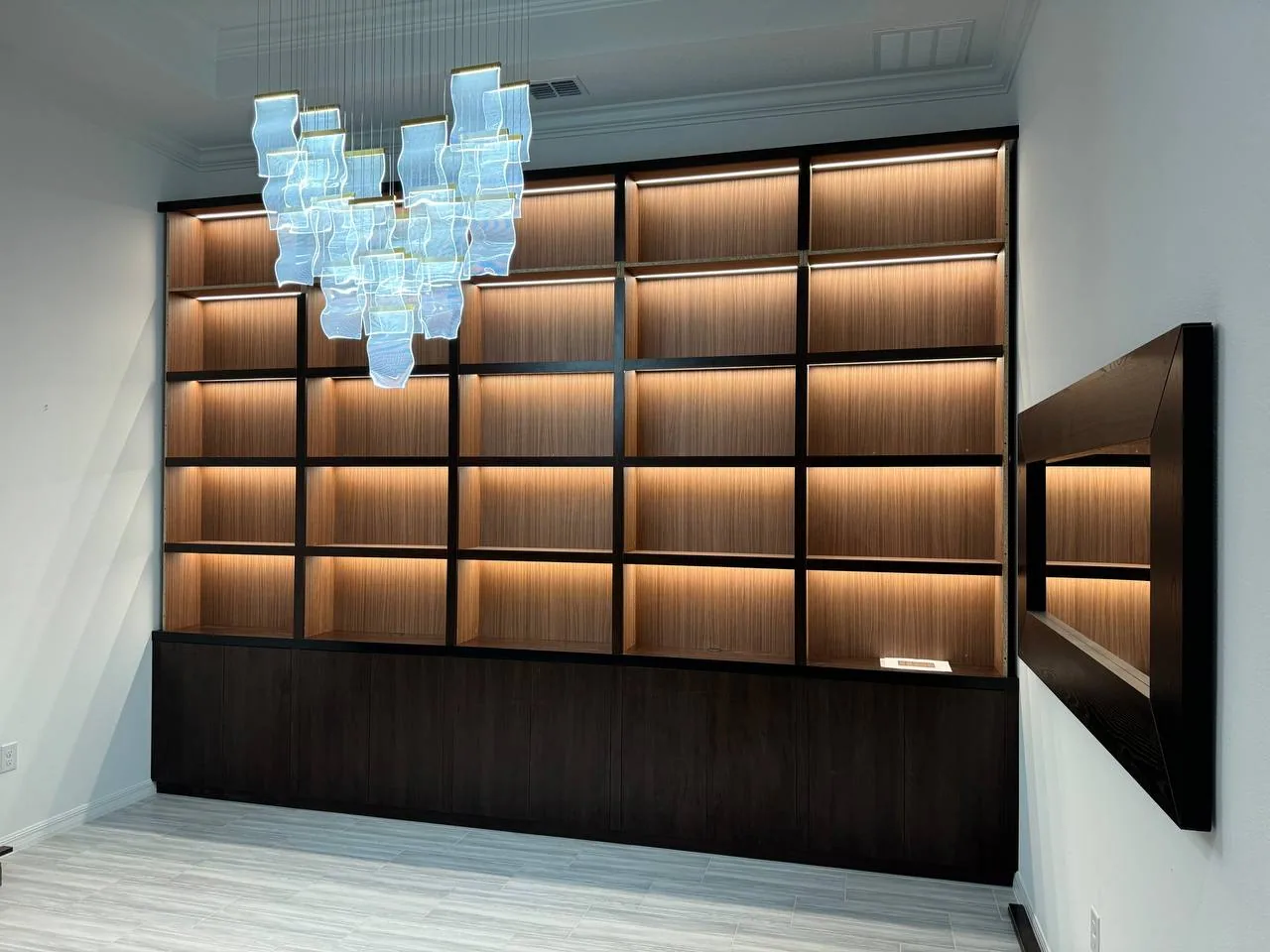
Attach appliance and fixture information, finish intent, hardware requirements and any cabinet-related coordination drawings. Identify who verifies site dimensions, who installs the cabinets and who handles counters, electrical and plumbing work. LeVika’s confirmed B2B scope is manufacturing and delivery only; installation is not included. A residential photograph can demonstrate cabinetry detail, but it is not proof that the same trade scope or logistics applied. The actual RFQ must establish those responsibilities for your project.
Give delivery a real site context
State the required-on-site window, delivery location, receiving contact and known access restrictions. Explain whether the work will arrive in one release or several. LeVika reports approximately 10–15 orders per month depending on volume, with typical B2B production of 3–4 weeks from contract signing and a delivery radius of approximately 100 miles from the workshop. These are qualification facts, not a reservation of capacity. The team must confirm the complete package and current schedule.
Close the loop on questions and revisions
Keep an open-items list for missing dimensions, substitutions, finish decisions and drawing conflicts. When an answer changes the scope, update the governing document and identify any price or schedule effect before release. Confirm that the approved version is the one the fabrication team has received. A clear handoff ends with an accepted package and responsibilities, not simply a sent email. The project workspace can support that record through messages, documents and versioned decisions.
Your next useful steps.
Three questions to bring.
- Which document governs if two details conflict?
- Who can approve the response to an RFI?
- Is this a capacity request or a confirmed production release?
LeVika’s confirmed B2B capacity, timing, delivery radius and no-installation boundary. The linked room is a residential execution reference, not an invented commercial case study.