
Choosing a Custom Cabinet Company in Central Florida
Choose a cabinetry partner by asking how a real project moves through its business. Completed work matters, but so do scope boundaries, measurement responsibility, approvals and the way questions are handled after delivery.
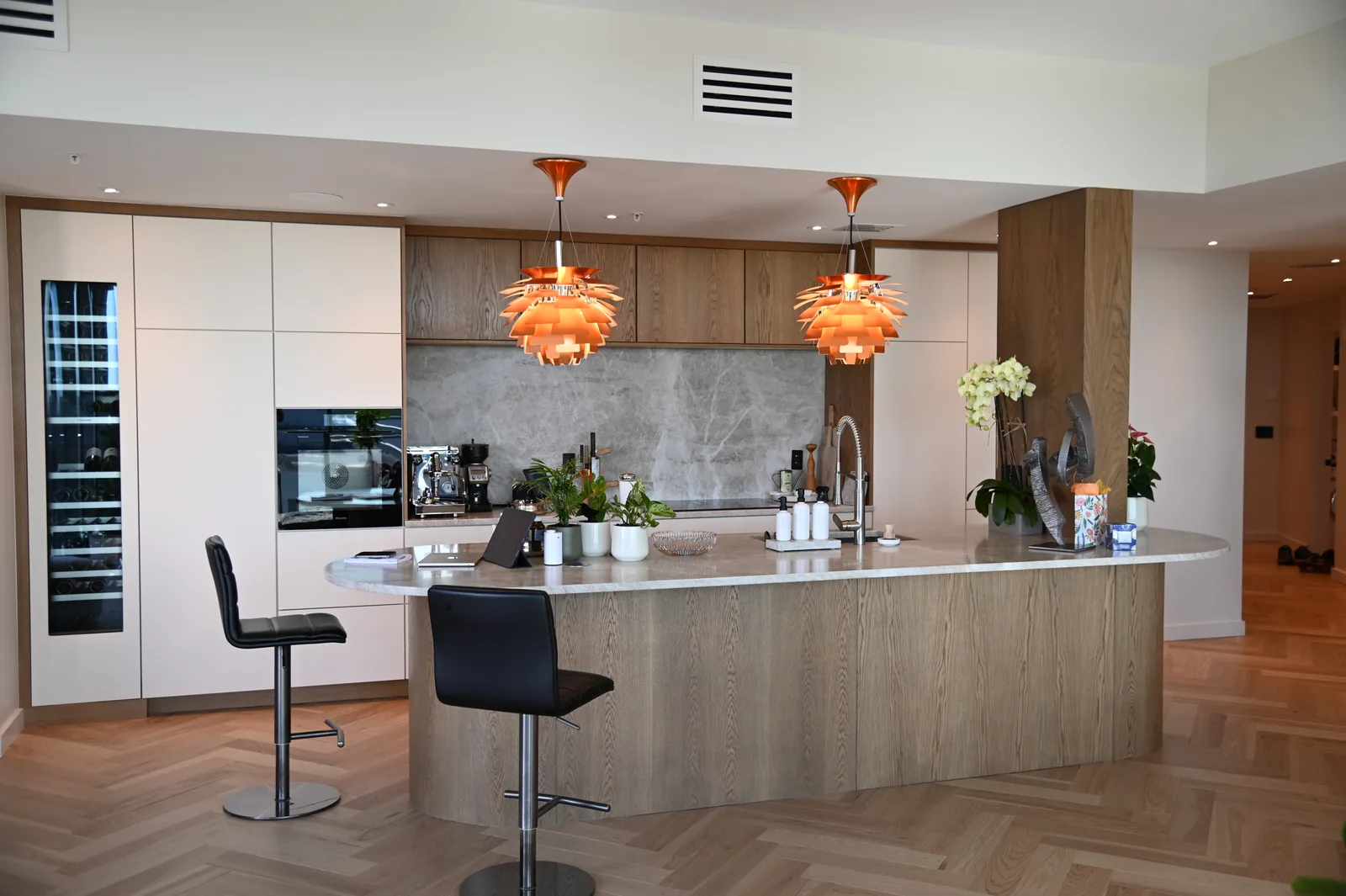
Look at both the whole room and the detail
Start with work relevant to your project type. A room view shows proportion and overall composition; closer views help you discuss edges, fronts, hardware and storage. Ask what the company actually supplied. A beautiful bathroom photograph does not establish that the cabinet maker also performed the plumbing or tile work. Treat the portfolio as evidence of visible work, then ask for the scope and specification information needed for your own project.
Check location and access early
LeVika’s production address is 2578 Clark St, Unit 5, Apopka, FL 32703. The confirmed hours are Monday–Friday, 8 AM–5 PM; Saturday is by appointment, and parking is available. Weekday visits are welcome, though arranging a project discussion ahead of time helps ensure the right information is ready. The standard residential service area is Orlando and approximately 150 miles around it. Farther projects are considered individually rather than promised automatically.
Ask who verifies and who approves
Find out who takes final measurements, who resolves appliance information and who signs off on drawings, materials and scope. Ask how a changed selection becomes a revised price or schedule. A clear answer should identify documents and decision owners, not only say that the team will ‘handle everything.’ LeVika accepts third-party measurements at the design stage, while its final control measurement is part of the production process. Your project agreement should make those responsibilities specific.
Review service and commercial terms before committing
Ask for the payment stages, warranty terms and a contact for service questions in writing. LeVika states lifetime coverage for qualifying faults that did not result from external physical impact; the written project and warranty terms determine the actual scope. Do not infer exclusions, transferability or a claim procedure from a short website summary. Where reviews are offered, check that you can trace them to real clients. The decision should rest on evidence you can inspect.
Your next useful steps.
Three questions to bring.
- Which part of this example did your team supply?
- Who answers questions after delivery?
- What documents define approval and a later change?
Client-confirmed business contacts, hours, coverage and process. No project-specific location, review score or legal conclusion is inferred from photographs.